Phase 2
Self-Service Experience
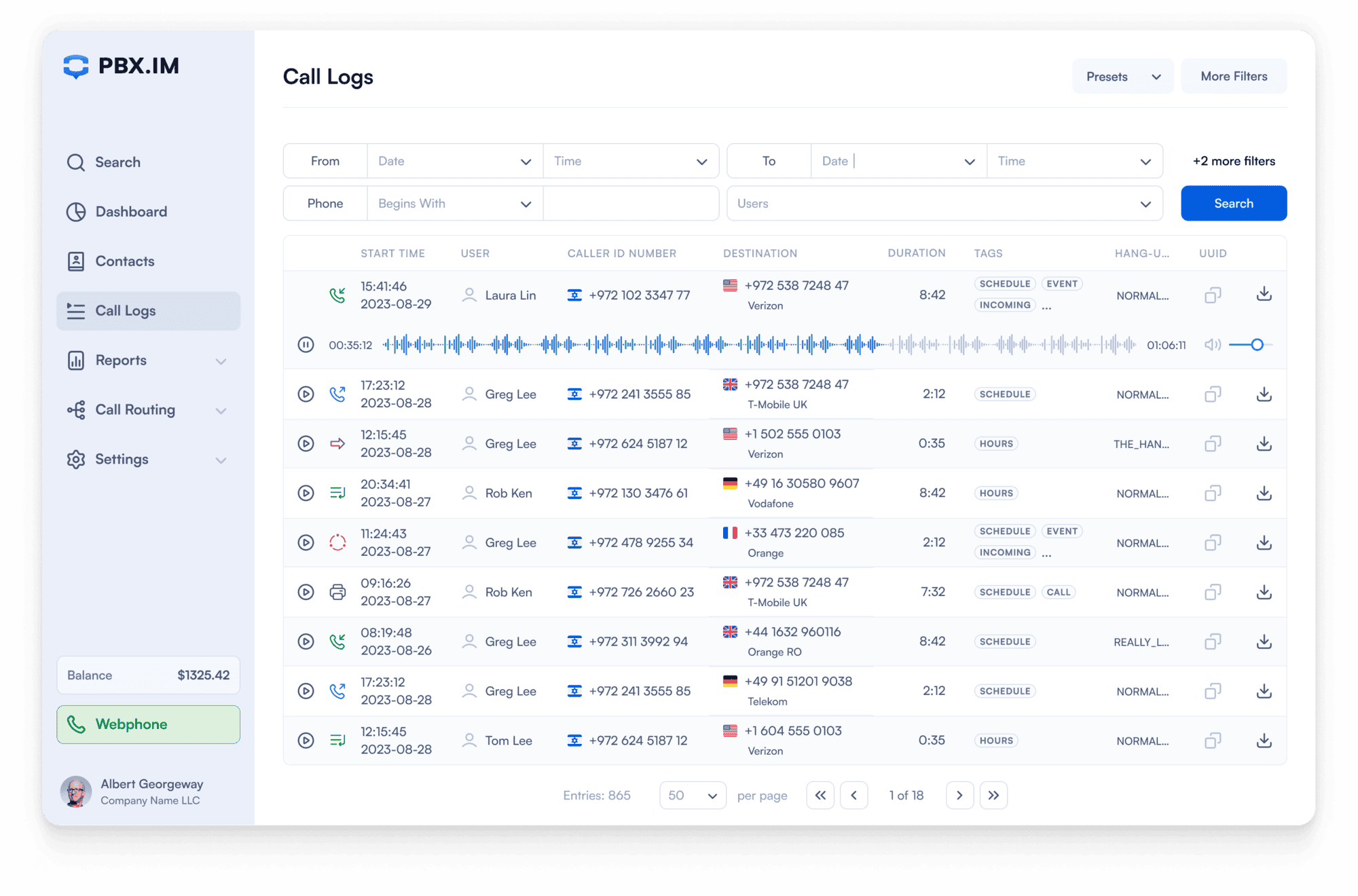
We built customer experiences where business users can manage numbers, voicemail, SIP, call records, subscriptions, and payments without depending on support for every change.
UX/UI · Frontend Development
Telecom products sit at the intersection of infrastructure, billing, provisioning, customer support, and real-time usage. What looks like a simple customer action often depends on complex backend logic: provider integrations, queues, permissions, payments, subscriptions, call records, and service availability across multiple systems.
We have worked on cloud telephony products where users need to buy numbers, configure endpoints, manage SIP trunking, set up voicemail and IVR, review call records, handle subscriptions, and keep daily communication running without on-premise infrastructure. The product has to feel simple for business users, even when the technical layer behind it is highly connected.
Our role is to make that complexity easier to operate and easier to scale. We connect product strategy, UX/UI, backend development, cloud infrastructure, QA, and growth support so telecom teams can move faster without turning the platform into a fragile collection of disconnected features.
PBX.IM is a SaaS VoIP and business communication platform that lets companies manage their phone system without on-premise infrastructure. BinarCode helped turn the product into a modern cloud platform with customer-facing dashboards, telephony integrations, billing flows, infrastructure, and growth support.
Phase 2
We built customer experiences where business users can manage numbers, voicemail, SIP, call records, subscriptions, and payments without depending on support for every change.
UX/UI · Frontend Development
Phase 4
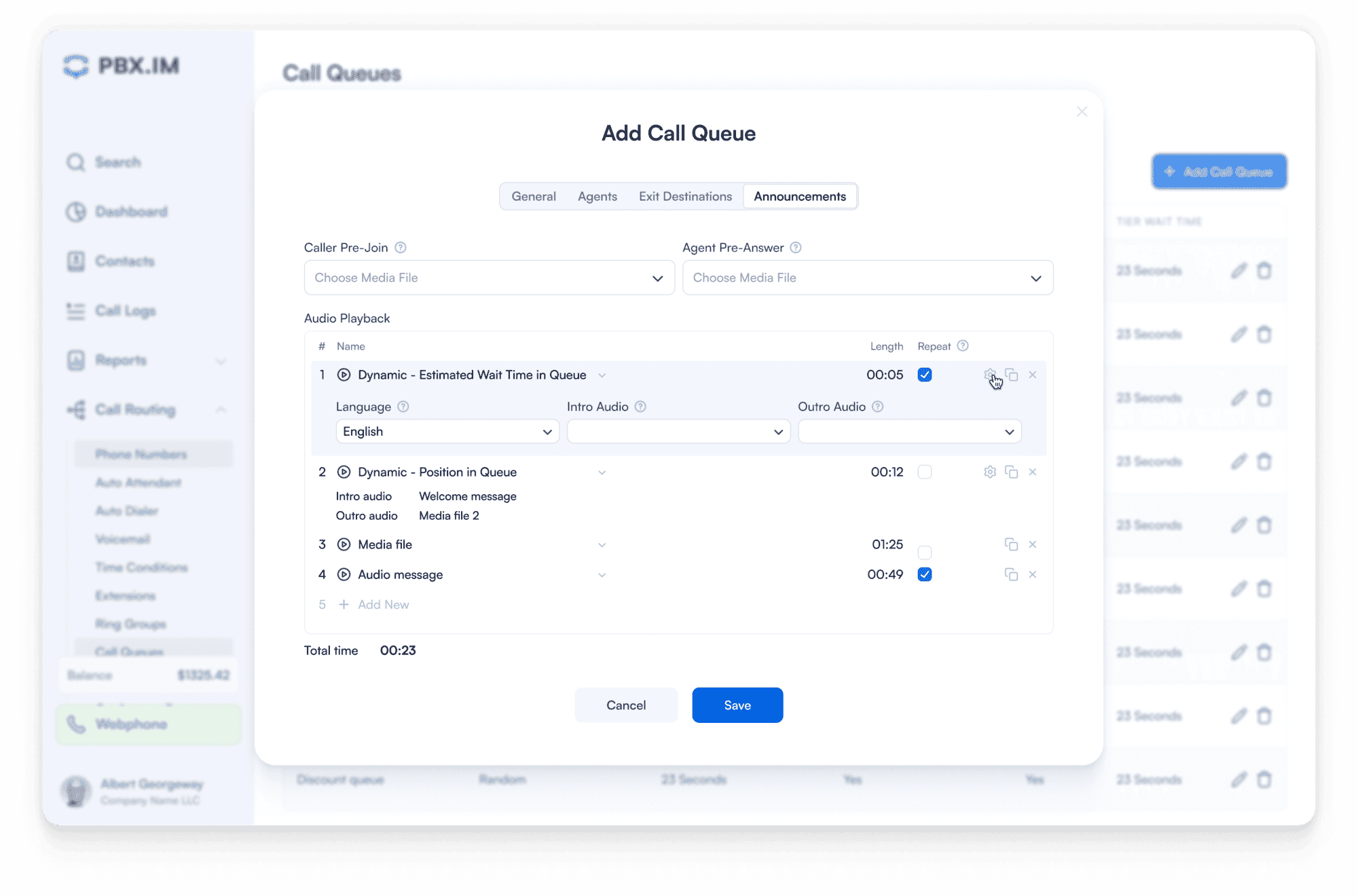
After launch, the collaboration continued across performance, SEO, PPC, landing, reporting, onboarding, billing improvements, and new communication features.
Growth · Long-Term Partnership
Phase 1
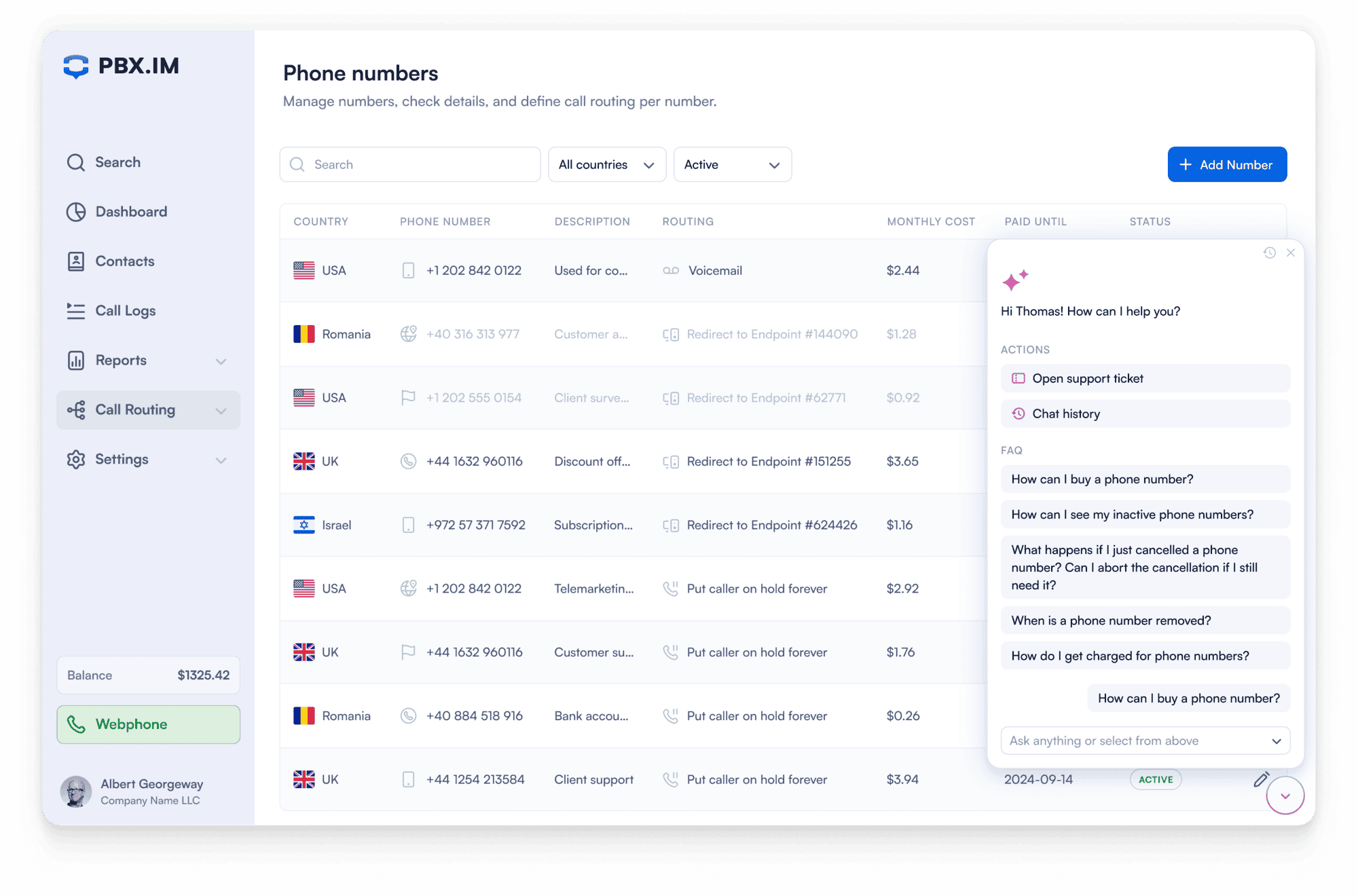
We helped shape the platform around the core telecom journey: account setup, number purchasing, provisioning, and permissions — alongside call flows, voicemail, IVR, subscriptions, invoices, and customer support operations.
Discovery · Product Architecture
Phase 3
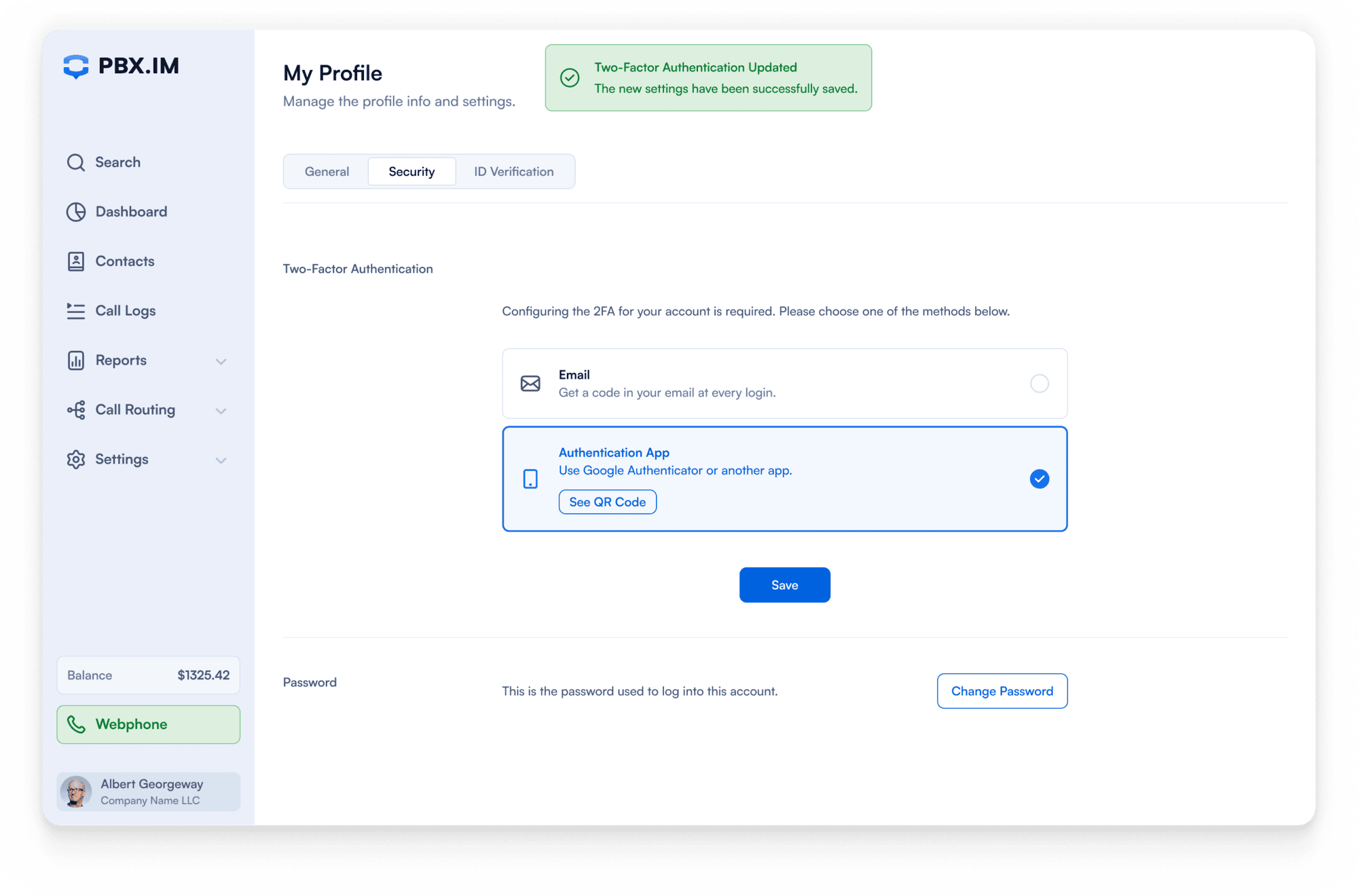
The platform connects to telephony providers (SIP trunking, Microsoft Teams Direct Routing), payments, SMS providers, queues, voicemail, and backend services.
Integrations · Backend Development
Telecom platforms need more than isolated features. Every product decision can affect billing, permissions, provisioning, reporting, reliability, customer support, and the way users manage their communication workflows day to day. A small change in the interface often needs stable logic behind it, clean integrations, and infrastructure that can handle real usage.
Our work combined product depth, frontend execution, infrastructure, QA, and product thinking so telecom teams can run the platform with less operational friction. We focus on building systems that are clear for customers, manageable for internal teams, and flexible enough to support new offers, integrations, and acquisition channels over time.
We use proven technologies for telecom SaaS platforms that need reliable APIs, responsive interfaces, background processing, payment flows, provider integrations, and scalable cloud infrastructure. The stack supports both the customer-facing product experience and the operational layer behind it: dashboards, admin tools, billing logic, call data, queues, workers, deployments, and the services needed to keep a communication platform stable as usage grows.
 Laravel
  Vue Js
  AWS
AWS  Tailwind CSS
 The outcome of strong telecom product development is not only a working application. It is a platform customers can use without constant support, internal teams can maintain without fragile workarounds, and the business can keep expanding with new offers, integrations, and acquisition channels. With PBX.IM, the work moved beyond feature delivery into long-term product growth. The platform launched publicly, attracted customers through organic search, and continued evolving across product, infrastructure, marketing, and communication workflows. That is the kind of telecom execution we aim for: stable enough to operate, flexible enough to improve, and clear enough for customers to adopt.
See how we build SaaS platforms with complex workflows, integrations, dashboards, and long-term product execution.
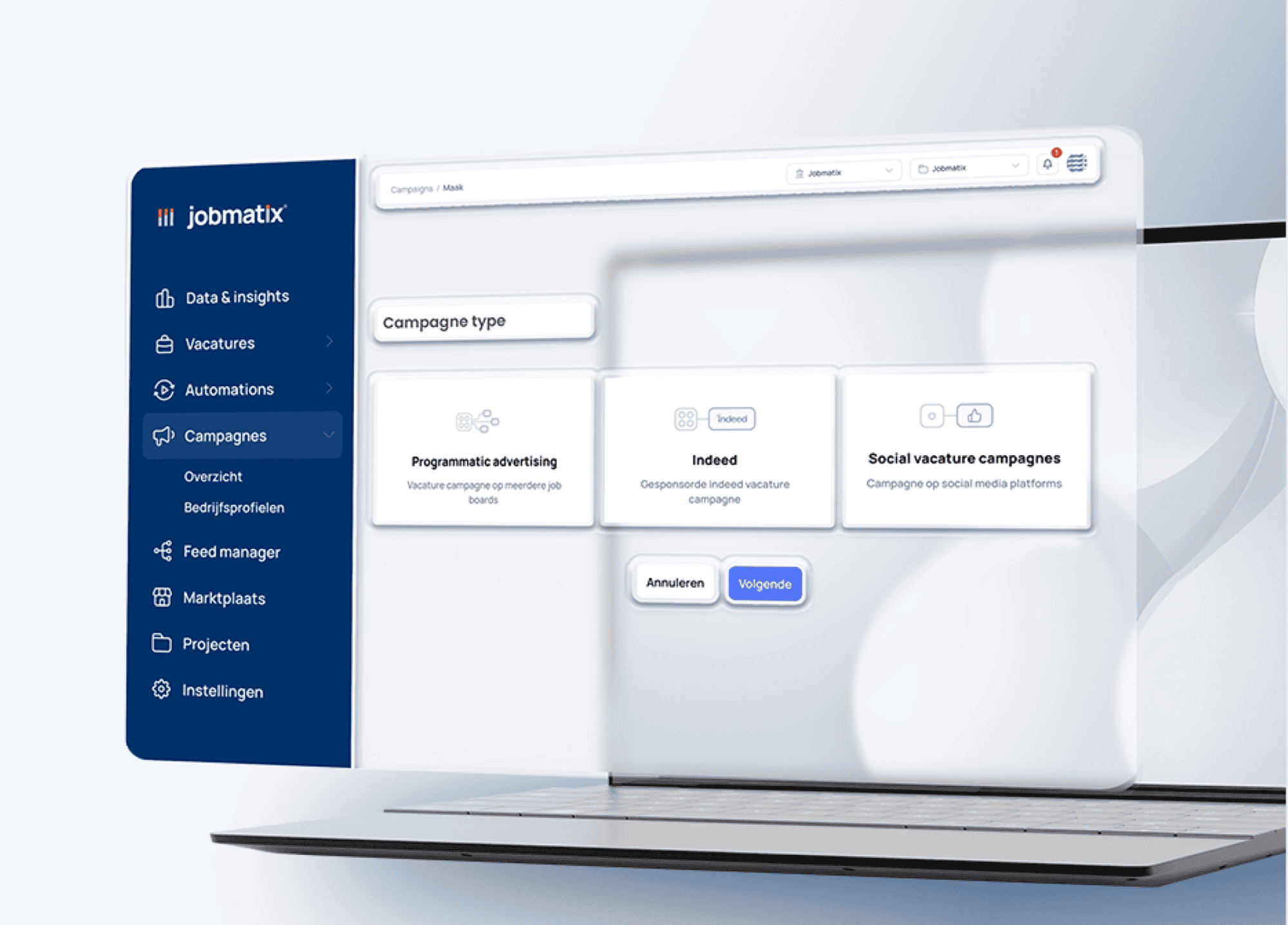
Programmatic job marketing tool that automatically posts and advertises vacancies on more than 30 job boards. Customers create campaigns; Jobmatix handles imports, mappings and exports through a multi-tenant Vue.js + Laravel platform.
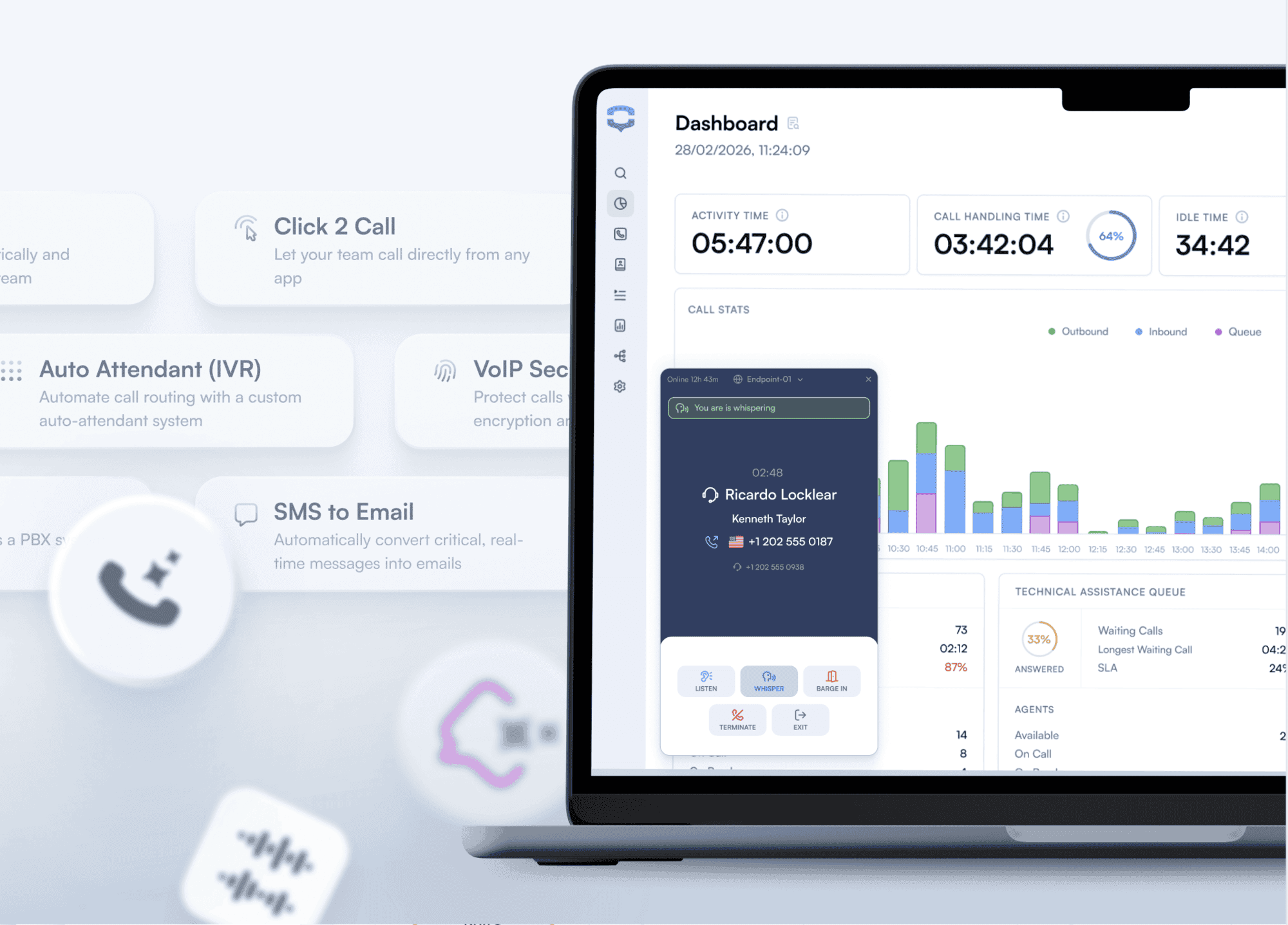
We built PBX.IM's cloud phone system from scratch - a full SaaS platform using Laravel and React. The result: 750 clients in under a year, organic-first growth with zero paid acquisition, and a product that handles VoIP, billing, and Teams integration at scale.